indian sex telegram channel ★ Discover Top Adult Channels Now ➔ 31+ Options
January 23, 2024
Safe Deposit Box Perth: The Ultimate Guide to Private Vaulting in Australia
July 23, 2026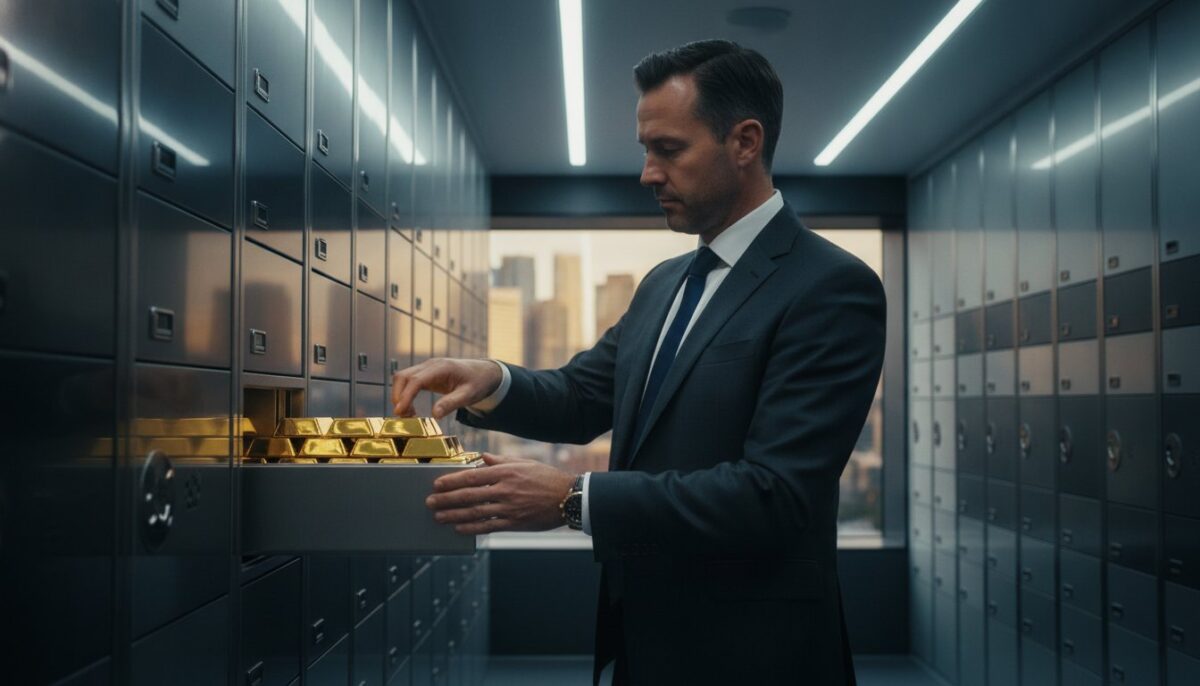
If you walked into your local bank branch today to secure your family’s gold bullion, would you actually find a vacant safe deposit box? With major Australian banks systematically phasing out these services, the traditional bank vault is quickly becoming a relic of the past. You’re likely feeling the pressure of this shift, especially if you’re concerned about bank bail-in laws or the limitations of the A$250,000 Financial Claims Scheme. It’s a common frustration to find that home insurance won’t adequately cover high-value heirlooms or that your SMSF compliance is at risk because you’re storing bullion at a private residence.
We’ll show you why private vaults australia have emerged as the gold standard for protecting tangible wealth in 2026. You’ll discover how these independent facilities provide the absolute privacy and institutional-grade security that modern banks simply no longer offer. This article provides a clear roadmap for selecting a vault that ensures your assets remain secure, discreetly managed, and fully compliant with ATO regulations for your retirement future. By moving beyond the traditional financial system, you can find a reliable sanctuary that offers true peace of mind.
Key Takeaways
- Understand why major banks are exiting the safety deposit box market and how private vaults australia provide a more secure, independent alternative for wealth protection.
- Learn why residential safes often fail to meet insurance standards and physical security requirements for high-value bullion and jewellery.
- Discover how to choose the right locker size by understanding the specific volume requirements of gold versus silver and the needs of document storage.
- Ensure your SMSF remains compliant with the ATO’s strict “sole purpose test” by utilising professional third-party storage for precious metals and collectables.
- Follow a streamlined guide to organise your rental, including the specific identification and onboarding steps required for individuals and corporate entities.
What are Private Vaults and Why are Australians Moving Away from Banks?
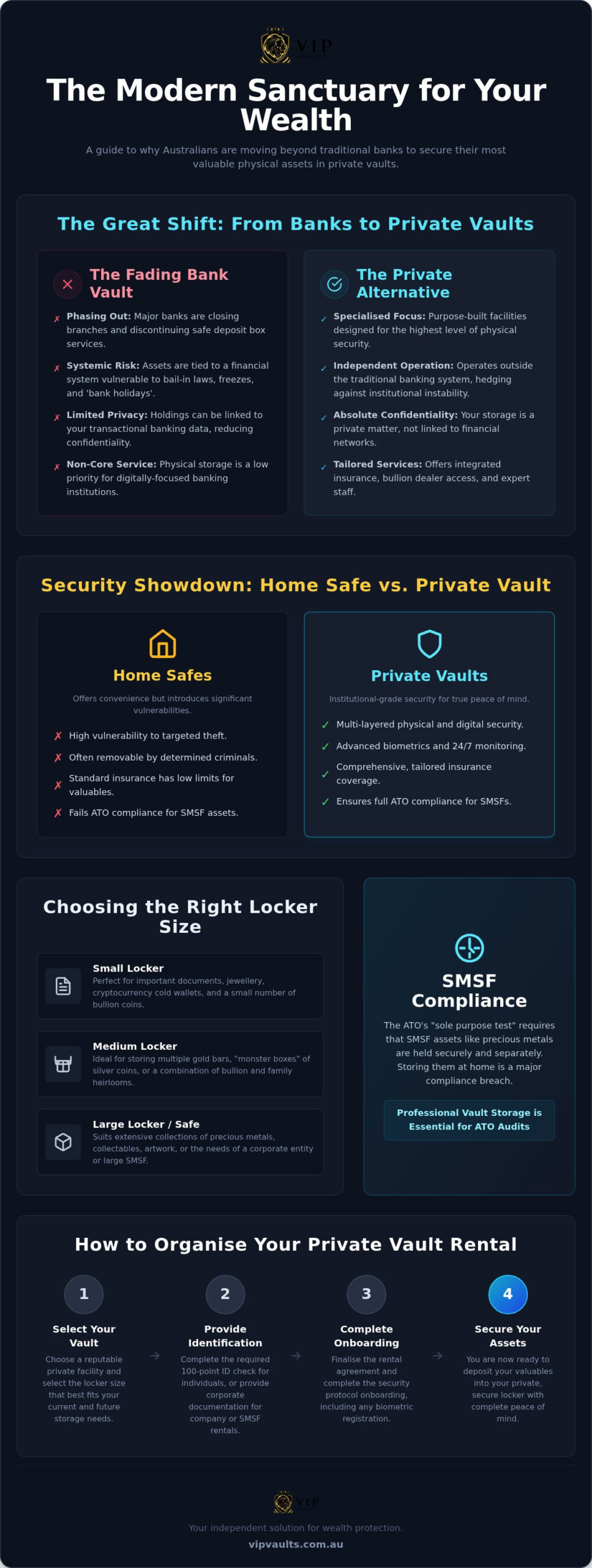
A private vault is a secure, independent facility for physical asset protection. While the concept of a secure repository isn’t new, the way Australians access these services has changed fundamentally over the last decade. Historically, most people turned to their local bank branch when they needed a secure place for their valuables. However, the rise of private vaults australia represents a shift toward specialised, non-bank security that prioritises the client’s privacy over corporate banking interests.
The Decline of Traditional Bank Safety Deposit Boxes
You’ve likely noticed your local bank branch closing or undergoing a “modernisation” that removes physical counters and storage facilities. Major Australian banks no longer view physical storage as a core part of their business model. It’s a high-overhead service that doesn’t fit the digital-first strategy most institutions now follow. This withdrawal has created a significant supply gap for those who still value tangible wealth. It’s not just about convenience; it’s about the erosion of a service many Australians relied on for generations.
Beyond mere availability, the banking system carries inherent risks that many high-net-worth individuals now seek to avoid. When you ask, what is a safe deposit box?, you’re looking for a sanctuary for your assets. In a bank, those assets are tied to an institution subject to government mandates, potential “bank holidays,” or frozen account protocols. Private repositories operate outside this traditional financial framework. They provide a critical hedge against sovereign risk and institutional instability, ensuring your physical wealth isn’t caught in a digital freeze.
Key Benefits of Private Repositories
Choosing a private facility offers a level of absolute confidentiality that banks often can’t match. Because these repositories aren’t part of the global banking network, your storage remains a private matter between you and the vault operator. This anonymity is essential for those holding significant amounts of gold or silver bullion who don’t want their physical holdings linked to their transactional banking data.
These facilities are built with a specialised focus on precious metals and high-value jewellery. Unlike a bank, where a locker might be an afterthought in a basement, private vaults australia are engineered from the ground up for physical robustness. They provide several distinct advantages:
- Advanced biometric access and multi-layered monitoring systems.
- Direct integration with bullion dealers for seamless buying and storing in one location.
- Insurance options tailored specifically to physical assets rather than cash deposits.
- Dedicated staff who understand the nuances of precious metal handling.
For the modern investor, a private vault isn’t just a box; it’s a strategic tool for asset diversification. It ensures that a portion of your wealth remains physical, accessible, and entirely independent of the digital ledger. As institutional stability becomes less certain, the move toward independent storage is a logical step for anyone serious about long-term wealth preservation.
Private Vaults vs. Home Safes: The Security Reality
Many Australians assume a high-quality home safe is a sufficient solution for protecting their wealth. While a residential safe offers immediate access, it introduces significant vulnerabilities that professional thieves are well-equipped to exploit. Most home safes are rated for fire protection rather than burglary, and even those with high security ratings are susceptible to being physically removed from the premises. Relying on private vaults australia provides a level of physical robustness that a residential setting simply cannot replicate.
Insurance Gaps in Home Contents Policies
Standard home and contents insurance policies in Australia often contain strict sub-limits for high-value items. You might find that your policy only covers jewellery or bullion up to a few thousand dollars, regardless of your total sum insured. To cover significant holdings of gold or silver, insurers usually require expensive, specialised riders and may demand specific home security upgrades, such as back-to-base alarms or bolted-down safes. In contrast, professional facilities offer integrated insurance solutions that cover the full value of your assets without the need for intrusive home modifications. With banks ceasing to offer safety deposit boxes, many investors are discovering that private storage is the only way to maintain comprehensive coverage for their valuables.
Institutional-Grade Security Features
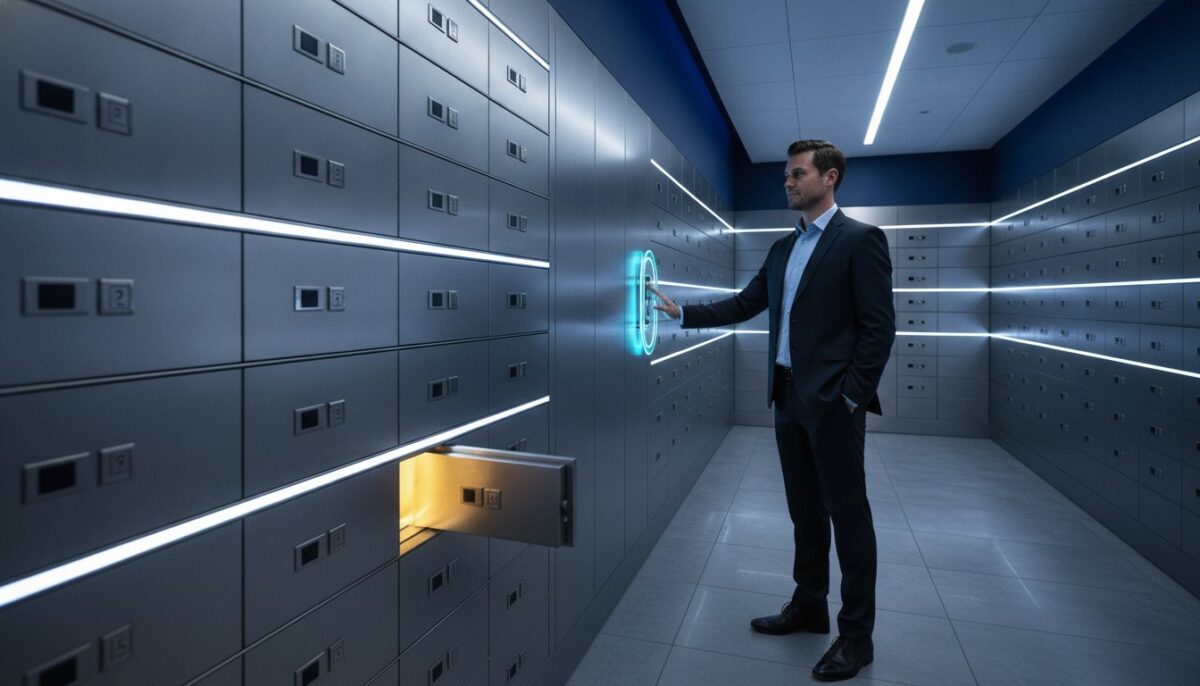
The security architecture of a private repository is built on layers of redundancy. While a home safe relies on a single lock or code, a professional vault employs multi-layered biometric access, including iris or fingerprint scanning, coupled with dual-key systems. These facilities are monitored 24/7 by seismic and thermal sensors that detect even the slightest vibration or temperature change. In Australia, vault integrity is often measured by specific ratings from Class 1 to Class 10, indicating the time and tools required to breach the structure. This level of engineering ensures that your assets are protected by more than just a heavy door. To see the level of craftsmanship required for high-security metal fabrication, you can check out Donewright Stainless and their specialised services.
Beyond the technical specifications, moving your assets off-site provides a psychological advantage. Storing wealth at your primary residence can make you a target, potentially putting your family at risk. By using private vaults australia, you ensure that the presence of high-value assets remains entirely separate from your home life. This separation of concerns is a cornerstone of modern asset protection. If you’re looking to secure your collection, you can explore our vault rental options to find a solution that fits your specific needs.
Storing Bullion and Jewellery: Choosing the Right Locker Size
Selecting the correct storage unit requires a practical understanding of physical volume and weight. While a few gold coins might fit easily into a small safety deposit box, a significant investment in silver requires a much larger solution. When evaluating private vaults australia, savvy investors consider how their holdings will evolve over time. It’s often more cost-effective to secure a slightly larger unit initially than to manage the logistics of upgrading as your collection grows. This proactive approach ensures you always have the physical capacity to act on new investment opportunities without delay.
Gold vs. Silver: Storage Volume Considerations
The physical density of gold allows you to store substantial wealth in a relatively compact space. Silver is a different matter entirely. Due to its lower price point per ounce, silver requires significantly more physical space than gold for the same dollar value. If you’re accumulating 1kg silver bars, you’ll quickly outgrow a standard small box. High-density storage also brings weight into the equation. Professional facilities are engineered with specific floor loading limits to handle the immense weight of bulk bullion collections safely. A dedicated bullion locker is often the best choice for silver investors, as it allows for organised stacking and easier auditing of your physical inventory.
Protecting Heirlooms and Jewellery
Not all valuables are as robust as metal bars. Delicate family heirlooms, luxury watches, loose gemstones, and sensitive legal documents require a stable, climate-controlled environment to prevent long-term deterioration. If you are looking to acquire high-end timepieces, you can learn more about Watch Capital. Humidity and temperature fluctuations can damage organic materials like pearls or cause paper documents to become brittle over decades. Leading private vaults australia provide these controlled conditions as a standard feature of their facility design, ensuring your legacy remains intact for the next generation.
Privacy during access is just as vital as the storage itself. Boutique facilities offer discreet, private viewing rooms where you can inspect your jewellery or organise your collection in complete solitude. This level of service often includes Member Privileges, which can facilitate higher-frequency access for those who need to retrieve or deposit items regularly for special events or audits. Whether you’re storing a single heirloom or a multi-generational bullion portfolio, selecting the right size ensures your assets are neither cramped nor inadequately protected. Use the following list to help estimate your needs:
- Small Units: Ideal for high-value jewellery, loose diamonds, and essential legal documents like titles or wills.
- Medium Units: Best suited for gold bullion collections and smaller amounts of silver.
- Large Bullion Lockers: Necessary for bulk silver storage and high-volume asset portfolios.
SMSF Compliance and Auditing for Precious Metals
Managing a Self-Managed Super Fund (SMSF) requires strict adherence to Australian Taxation Office (ATO) regulations. One of the most critical aspects of holding physical assets like gold and silver is the “sole purpose test.” This rule ensures that your fund’s investments are maintained solely for providing retirement benefits to members. Australian SMSF laws strictly mandate the off-site storage of certain physical assets to ensure compliance. If you store bullion at your private residence, you risk breaching these laws, as the ATO may argue the assets are available for personal use or enjoyment.
For items classified as “collectables” or personal use assets, the prohibition on home storage is absolute. Even for investment-grade bullion, storing assets in private vaults australia is considered best practice by auditors. It provides a clear, documented separation between your personal belongings and your fund’s investments. This distinction is vital during the annual reporting cycle, as it demonstrates that the trustees are acting in a professional, compliant manner.
The Role of the Independent Audit
Every SMSF must undergo an annual audit by an independent professional. The auditor’s job is to verify the existence of the assets and ensure they are valued correctly as of June 30 each year. Professional vault facilities make this process seamless by providing formal holding statements and proof of existence. These documents serve as an authoritative record that auditors can rely on, reducing the time and complexity of the audit process. By choosing a facility that understands SMSF requirements, you ensure that your fund’s paper trail is unshakeable and transparent.
LBMA Accreditation and Purity Standards
Liquidity is a major consideration for SMSF trustees. When the time comes to pay out a pension or benefit, you need to be able to convert your physical holdings into cash quickly and at a fair market price. Prioritising LBMA-accredited bullion ensures that your assets meet global standards for purity and weight, making them easily tradable. There is a significant advantage in using a facility that functions as both a bullion exchange and a secure repository. This allows you to purchase accredited metals and move them directly into your private vaults australia without the assets ever leaving a high-security environment. This closed-loop system provides an impeccable audit trail that satisfies both tax laws and investment strategies.
Insurance is another mandatory requirement for SMSF assets. Most standard home insurance policies will not cover bullion held within a super fund, or they may have restrictive sub-limits that leave you underinsured. Specialist vault providers offer integrated insurance solutions that meet the specific legal obligations of an SMSF. This ensures your retirement wealth is protected against physical loss or damage while you remain fully compliant with the law. To protect your fund’s future, you can secure your SMSF assets today with our specialised storage solutions.
How to Organise Your Private Vault Rental in Australia
Establishing your secure storage is the final step in a robust wealth protection strategy. When you evaluate private vaults australia, it’s essential to look for a facility that provides a national perspective on security rather than just a local solution. You need to review the rental agreement carefully, ensuring it clearly outlines your rights to access and the specific insurance coverage provided. Fees are typically structured annually, with costs varying based on the locker size you selected in the previous stages of your planning. It’s a professional partnership built on trust, transparency, and the shared goal of long-term asset preservation.
The Onboarding Process
The onboarding process is designed to be thorough to protect all members of the facility. You’ll complete a standard 100-point identification check, which ensures the repository remains a secure and compliant environment. For those managing complex portfolios, such as a family trust or an SMSF, the documentation will include trust deeds and authorised signatory lists. This is also when you’ll establish your access protocols. The dual-key system remains one of the most effective security measures in the industry; it guarantees that no single person, including the vault manager, can ever access your belongings without your physical key being present. This protocol provides a vital layer of protection against both internal and external threats.
Logistics and Moving Your Wealth
Moving your physical wealth into a vault is a logistical exercise that demands absolute discretion. If you’re handling a significant volume of silver or gold bullion, we recommend using specialised, armoured couriers who understand the risks involved in high-value transit. A boutique facility prioritises your privacy during this transition by providing private, secure loading bays. These bays allow for the discreet transfer of assets directly from your vehicle into the secure zone, far from the eyes of the general public. This ensures your arrival and departure remain a private matter. By following these structured steps, you move from vulnerability to total security. You can secure your future today by booking a private consultation with VIP Vaults & Bullion Exchange Perth to tailor a storage plan for your unique collection.
Protecting Your Physical Legacy for the Future
The environment for wealth protection in Australia has shifted toward independence and specialised security. As traditional banks continue to withdraw their physical storage services, the need for a reliable sanctuary outside the banking system has never been more evident. By choosing private vaults australia, you ensure that your gold, silver, and heirlooms are held in a facility that prioritises your privacy and physical security above all else. You’ve seen how professional storage solves the complex insurance and compliance hurdles of SMSF management while offering a level of protection that home safes simply cannot match.
It’s time to take control of your asset protection strategy. You can secure your wealth with Australia’s premier independent vault and bullion exchange. As an LBMA-accredited bullion dealer and an independent non-bank facility, we provide the robust infrastructure and high-security private viewing rooms you require for absolute peace of mind. Your wealth deserves a guardian that is as committed to its protection as you are. Take the next step toward a more secure and private financial future.
Frequently Asked Questions
Is it legal to store cash and bullion in a private vault in Australia?
Yes, it is entirely legal for individuals and entities to store cash and bullion in private vaults australia. There is no Australian law prohibiting the physical storage of legal tender or precious metals in a secure repository. However, all reputable facilities must comply with Anti-Money Laundering and Counter-Terrorism Financing (AML/CTF) regulations, which require the verification of your identity during the initial onboarding process.
How does the security of a private vault compare to a major Australian bank?
Private vaults often provide superior physical security compared to modern bank branches because they are purpose-built for high-stakes asset protection. While banks are progressively closing their safety deposit departments to focus on digital services, private repositories invest in institutional-grade technology like biometric iris scanners and seismic sensors. These facilities are engineered specifically for the storage of physical wealth, whereas bank security is designed for general transactional operations.
What happens to my valuables if the private vault company goes out of business?
Your valuables remain your legal property under a bailment agreement, meaning they are not considered assets of the vault company. In the unlikely event that a provider ceases operations, the contents of your locker are not available to the company’s creditors. You retain full legal title to your bullion and jewellery, and the facility’s closure process would include a structured period for clients to retrieve their property securely.
Can my SMSF auditor visit the vault to inspect my bullion?
Yes, you can arrange for your SMSF auditor to inspect your physical holdings to satisfy annual reporting requirements. Most facilities provide secure, private viewing rooms where an auditor can verify the existence and weight of your bullion in a controlled environment. This physical verification is a standard part of the audit trail for many self-managed funds and ensures your fund remains compliant with ATO regulations.
Are the contents of my private vault insured against theft or fire?
The contents of your vault are typically covered by comprehensive, specialised insurance policies that protect against fire, theft, and other physical risks. Many providers utilise world-class underwriters to provide coverage that far exceeds standard home and contents limits. It’s essential to confirm the specific level of coverage included in your rental agreement and whether additional top-up insurance is required for exceptionally high-value collections.
Who has access to my private vault besides me?
Only you and your nominated authorised signatories have the ability to access your vault. Reputable private vaults australia utilise a dual-key system where one key is held by the client and the other by the facility. This ensures that no staff member can open your locker without your physical presence and consent. Your privacy is further protected by strict biometric identification protocols at every entry point.
Do I need to declare the contents of my safe deposit box to the vault provider?
You are generally not required to declare the specific items or the total value of the contents within your locker to the vault provider. This maintains the high level of confidentiality and anonymity that many investors seek. However, you must agree to a prohibited items list, which forbids the storage of hazardous materials, explosives, or illegal substances. Your privacy is respected as long as you adhere to these safety guidelines.
How much does it cost to rent a private vault in Australia?
The cost of renting a secure locker depends on the size of the unit and the specific security features provided by the facility. Industry rates in Australia vary, with small boxes suitable for documents and jewellery typically starting at a lower annual price point than large bullion lockers designed for bulk silver. You should also factor in potential one-off setup fees or refundable key deposits when calculating your total investment in secure storage.